

Top 10 Aluminium Dross Manufacturers in Maharashtra
Sudarshan Recycling is a leading aluminium dross manufacturers in Maharashtra, dealers and buyers in Maharashtra. We offer a steady supply of aluminium dross in every common grade, from high-metal White Dross to lower-grade Black Dross, at competitive rates. Our yard in Pirangut, Pune handles regular dispatches to foundries, secondary smelters and recycling units across the country.
For melters and recyclers, dross is a practical source of recoverable metal. Buying dross with a good aluminium content reduces the cost of virgin material, lowers landfill waste and supports a circular metal economy. Along with dross, we also deal in copper scrap and brass scrap, so industrial buyers can source several non-ferrous materials from one supplier.
What Is Aluminium Dross?
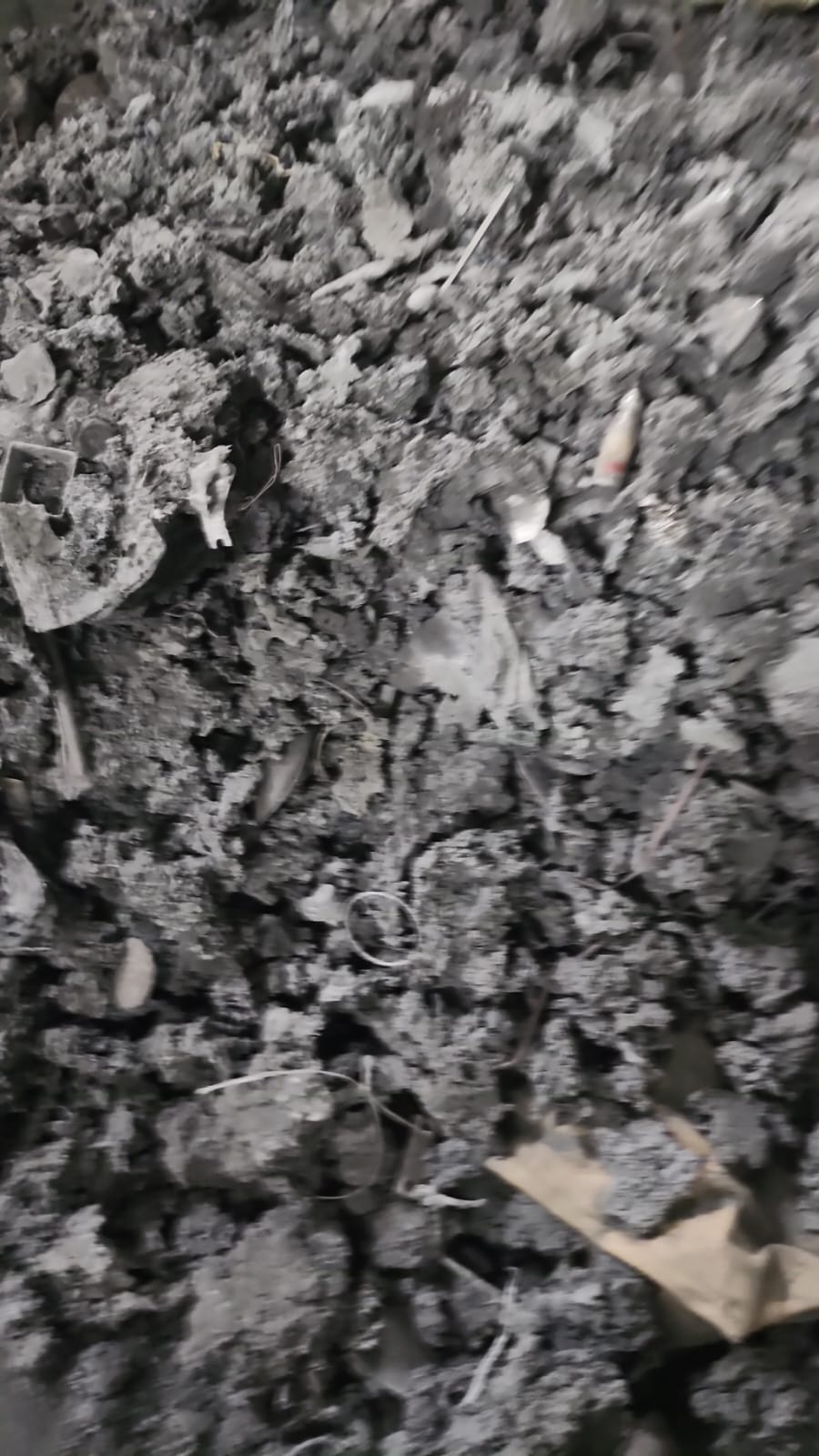
Aluminium dross is a by-product that forms on the surface of molten aluminium and its alloys. When the melt is exposed to air, the aluminium reacts with oxygen and forms a layer of oxide. Operators skim this layer off the furnace. What they remove is not clean waste. It is a semi-solid, non-uniform mixture of aluminium oxide, salt flux and trapped metallic aluminium.
The value of dross depends on how much metal is trapped in it. Depending on the source and the melting practice, dross can contain roughly 15% to 80% recoverable aluminium. That is why dross is treated as a commodity and is bought, tested and graded instead of simply being thrown away.
Dross forms in primary aluminium smelters, secondary smelters, die-casting units, extrusion plants, rolling mills and foundries. Anywhere aluminium is melted, some dross is produced. The more carefully a plant skims and handles its melt, the higher the metal content of the dross it sells.
Aluminium Dross Manufacturers in Maharashtra
Aluminium dross is a by-product of melting, so a dross supplier does not "make" it in the usual sense. What we do is collect, sort, grade, process and supply it in forms that smelters and foundries can feed straight into their furnaces. Buyers in Maharashtra search for aluminium dross manufacturers, dealers and buyers when they want this kind of dependable supply.
Sudarshan Recycling works with both sides of the trade. We buy dross from aluminium melting units that want a fair price for their by-product, and we supply graded dross, powder and granules to recyclers who need consistent feed material. Our range covers aluminium dross scrap, solid aluminium dross, white ras aluminium dross, silver aluminium dross, aluminium dross ash powder and dross scrap bars.
Types of Aluminium Dross
Aluminium dross is classed by how it forms, how much metal it holds and what form it is sold in. As aluminium dross manufacturers and dealers in Maharashtra, we supply the following types.
- White Aluminium Dross: Forms during primary smelting and melting of clean aluminium scrap. It generally contains 15% to 75% metallic aluminium along with aluminium oxide and has low salt flux content, making it easier to recover metal from.
- Black Aluminium Dross: Forms during the recycling of secondary or contaminated aluminium and further processing of white dross. It usually contains 5% to 30% metallic aluminium with higher aluminium oxide and salt flux content.
- Hot Aluminium Dross: Fresh dross removed directly from the furnace while still hot. It can contain molten or semi-molten aluminium and is typically processed quickly to recover aluminium before further oxidation occurs.
- Cold Aluminium Dross: Aluminium dross that has cooled and solidified after removal from the furnace. It is easier to store and transport and is commonly crushed and screened before further processing.
- Aluminium Dross Powder: Dross that has been crushed or ground into fine particles. It contains aluminium oxide-rich fractions that can be used in refractory, chemical, ceramic and construction applications.
- Aluminium Dross Granules: Processed dross particles with a relatively uniform size, making them easier to handle, store, transport and feed into furnaces. They are commonly used by recycling units and foundries.
Aluminium Dross Recycling Process
Recycling dross means recovering the metallic aluminium and putting the remaining oxide to use. The exact steps depend on the plant, but a typical process follows this order.
- Collection and cooling: Dross is skimmed from the furnace into steel containers and allowed to cool in a controlled way. Hot dross should be kept dry and away from moisture.
- Sorting and testing: The lot is sorted by type and tested to estimate its metal content, so that the right treatment route can be chosen.
- Crushing and screening: Crushers and pulverizers break the dross apart. The oxide crumbles into fines while the metal stays in larger pieces, which are screened out.
- Melting and recovery: The metal-rich fraction is fed into a recycling furnace or a hot dross processing machine, where the aluminium is melted and separated from the oxide.
- Casting: The recovered metal is cast into forms such as silver aluminium scrap and bars, ready for re-melting or alloying.
- Use of the residue: The non-metallic residue, rich in aluminium oxide, goes to refractory, abrasive, ceramic or cement applications instead of being dumped.
Handling matters throughout. Some dross, especially black dross and salt cake, can release gases such as ammonia when it contacts water. It should be stored under cover in dry conditions, and dust should be controlled with proper ventilation and protective equipment. Following these practices keeps workers safe and protects the value of the material.
Technical Specifications of Aluminium Dross
The table below summarises the main dross types we deal in. Actual metal content varies with the source, so we recommend testing every lot before you finalise a deal.
| Dross Type | Origin | Metallic Al Content | Key Non-Metallic Content | Recycling Note |
|---|---|---|---|---|
| White Dross | Primary smelting / clean scrap melting | High, 15% – 75% | Low salt flux, mainly Al2O3 | Most economical for metal recovery |
| Black Dross | Secondary recycling / contaminated scrap | Low, 5% – 30% | High Al2O3 and salt flux | Lower value; needs salt-handling capability |
| Salt Cake Dross | Residue from salt flux use in recycling | Residual, variable | Very high salt (NaCl / KCl) | Needs specialised salt treatment |
| Flux Dross | Fluxing and purification of the melt | Residual, variable | Concentrated flux materials | Composition depends on the flux used |
| Skimming Dross | Layer skimmed from the molten surface | Residual, variable | Oxides and impurities from the melt surface | General term for fresh surface skim |
| Dross Powder / Granules | Crushed, milled or graded dross | Depends on the grade | Fine oxide fraction and residual metal | Uniform size for easy handling and melting |
Benefits of Aluminium Dross
Dross recycling is both an economic and an environmental choice. As aluminium dross dealers in Maharashtra, we see these benefits most often.
- Recovery of valuable metal: A large share of dross is metallic aluminium that can be melted and recovered. This uses far less energy than making aluminium from bauxite ore.
- Lower raw material cost: For secondary smelters, buying high-metal dross can cost less than buying clean aluminium scrap.
- Less landfill waste: Recycling dross keeps industrial waste out of landfills and reduces the environmental load of aluminium production.
- Useful by-products: After the metal is recovered, the remaining aluminium oxide can be used in other industries, which moves the process closer to zero waste.
- Extra income for producers: Melting units that sell their dross get value from a material that would otherwise be a disposal cost.
- Support for a circular economy: Reusing metal that has already been produced reduces the need for new mining and smelting.
Applications of Aluminium Dross
Both the metal and the oxide in dross are useful. Here are the main ways it is used across industry.
- Secondary aluminium production: The metal-rich portion of dross is melted to make aluminium ingots for casting and alloying.
- Refractory materials: The oxide portion is treated and used to make heat-resistant linings for furnaces.
- Fluxing agents: Some grades of dross powder and granules act as a synthetic flux in steelmaking and in foundry work.
- Ceramics and abrasives: Hard aluminium oxide is used in ceramic products and industrial abrasives.
- Cement and concrete: Treated dross residue can be blended into cement and concrete mixes, reducing the use of virgin material.
- Chemical uses: Fine dross fractions are used as a source of alumina in certain chemical processes.
Why Choose Us?
Whether you want to sell dross or buy it, working with the right partner protects your margins. Here is what you get when you deal with Sudarshan Recycling.
- Fair valuation: We assess your dross for metal content and offer a price that reflects its real value.
- All grades accepted: We deal in white, black, hot and cold dross, as well as powder, granules and dross scrap bars.
- Dependable logistics: We arrange loading, transport and delivery on time, so you do not have to manage the movement yourself.
- Compliance and safety: Our operations follow the environmental and safety rules that apply to handling industrial by-products.
- Bulk and regular supply: We can support one-time lots and repeat monthly requirements.
- Wide range of scrap: Along with dross, we deal in aluminium, MS, copper and brass scrap, which suits buyers who source multiple metals.
- Pan-Maharashtra service: We supply and buy across Maharashtra from our base in Pirangut, Pune.
Conclusion
Sudarshan Recycling is a trusted aluminium dross manufacturers, dealers and buyers in Maharashtra. Are you paying to store your scrap aluminium? It is time to make full use of your by-products. With careful grading, safe handling and dependable logistics, we turn dross from an industrial liability into a valuable, high-yield commodity. Whether you want to sell dross, buy graded material or recover more metal from your melt, we offer a practical and profitable solution. Contact us today to discuss your requirement.
FAQs
1. What is aluminium dross and how is it formed?
Aluminium dross is a by-product that forms on the surface of molten aluminium when the metal reacts with oxygen. It is skimmed off during melting and consists of aluminium oxide, salt flux and trapped metallic aluminium. It forms in smelters, foundries, die-casting units and any plant that melts aluminium.
2. What is the difference between white and black dross?
White dross forms in primary smelting or clean scrap melting. It has a high metal content, usually 15% to 75%, and little salt. Black dross forms when contaminated or secondary aluminium is recycled. It has less metal, usually 5% to 30%, and more oxide and salt. White dross is worth more and is easier to process.
3. How much aluminium can be recovered from dross?
It depends on the type and on how the dross was skimmed and stored. Dross can hold roughly 15% to 80% recoverable aluminium overall. White dross sits at the higher end and black dross at the lower end. Fresh, dry, well-handled dross gives better recovery, so testing each lot before purchase is the best way to know the real figure.
4. Do you buy aluminium dross across Maharashtra?
Yes. Sudarshan Recycling buys and supplies aluminium dross across Maharashtra. We take white, black, hot and cold dross, along with dross powder and granules. Share your location, quantity and grade, and we will arrange evaluation, pricing and pickup.
5. How is aluminium dross transported and handled?
Dross should be cooled, kept dry and moved in covered, suitable containers or vehicles. Moisture is the main risk, since some dross reacts with water and can release gases. Hot dross must never be loaded until it is fully cooled. Workers should use protective gear, and storage areas should be ventilated. We organise transport so that these rules are followed from pickup to delivery.