

Top 10 Aluminium Scrap Dealers in India | Sudarshan Recycling
Sudarshan Recycling is a leading aluminium scrap dealers in India, working as a trusted aluminium scrap dealing company, suppliers and buyers for foundries, smelters, remelters, die-casters and recycling plants. From our base in Pirangut, Pune, we handle aluminium scrap trading across the country, buying scrap from industrial units, fabricators, contractors and collectors, and supplying sorted, clean material to buyers who need a steady and reliable feed for their furnaces.
Aluminium scrap is one of the most valuable recyclable metals in the world. It keeps its properties through repeated melting, it saves a large share of the energy needed to make new metal, and it feeds a wide range of industries. Whether you want to sell scrap, buy scrap in bulk, or set up a regular supply arrangement, our team can quote against your grade, quantity and delivery location.
What Is Aluminium Scrap?
Aluminium scrap is any discarded or surplus aluminium that is collected so that it can be melted and used again. It comes from two broad sources. New scrap, also called process or industrial scrap, is created during manufacturing, for example the offcuts, turnings and trimmings left behind when sheets, profiles and castings are made. Old scrap, also called post-consumer scrap, comes from products that have reached the end of their life, such as window frames, utensils, vehicle parts, cables, radiators and beverage cans.
The value of a lot of aluminium scrap depends on how clean it is, how well it is sorted and which alloy it belongs to. Clean, single-alloy scrap fetches a higher rate than mixed, painted or oily material, because it needs less refining and gives a more predictable result in the furnace. That is why a good aluminium scrap dealer spends as much effort on sorting and grading as on buying and selling.
Once collected, aluminium scrap is baled, shredded or melted and cast into ingots, billets or sows. Those ingots then go to die-casting units, foundries, extruders and rolling mills, where they are turned into finished products. In this way, scrap is not waste. It is a raw material that keeps industry running.
Aluminium Scrap Dealers, Buyers and Suppliers in India
India has one of the largest and fastest growing aluminium markets in the world. Automotive, construction, electrical, packaging and consumer goods all consume large volumes of aluminium, and a large part of that demand is met with recycled metal. Because India does not produce enough primary aluminium for every use and imports a good amount of scrap, the aluminium scrap market is active at every level, from small collectors and merchants to large wholesalers and recycling companies.
In this market, an aluminium scrap dealers is the link between those who generate scrap and those who need it. A dealer collects scrap from many sources, checks and sorts it, arranges weighing and transport, and supplies it to melters and manufacturers in the quantity and quality they need. Aluminium scrap traders and merchants work the same way, buying where scrap is available and selling where demand is, while wholesalers handle large, regular volumes for industrial customers.
What buyers and sellers can expect from a professional aluminium scrap dealing company is simple: honest weighing, clear grading, fair rates linked to the market, prompt payment and dependable logistics. These are the standards we follow in every transaction.
Types of Aluminium Scrap
Aluminium scrap is available in different forms, and its source, alloy, cleanliness and composition determine its value and recycling application. The main types of aluminium scrap are given below.
- Aluminium Extrusion Scrap: Comes from window frames, door sections, profiles and structural shapes. Clean 6063-series extrusion is widely used by extruders and billet manufacturers.
- Aluminium Wire Scrap: Includes electrical conductor wire and aluminium cable. Clean, stripped wire without insulation or steel components is generally more valuable and easier to recycle.
- Aluminium Sheet Scrap: Comes from roofing sheets, cladding, signboards, printing plates and fabrication offcuts. Clean and uncoated sheet is commonly used by remelters and secondary aluminium producers.
- Aluminium Cast Scrap: Includes engine blocks, cylinder heads, gearbox housings, pump bodies and machinery castings. It is commonly used for producing secondary alloys such as ADC12 and LM24.
- Aluminium Utensil Scrap: Includes old pots, pans, pressure cookers and aluminium vessels. Handles, steel components and other non-aluminium materials should be removed before recycling.
- Aluminium Radiator Scrap: Comes from automotive and industrial radiators and heat exchangers. Copper, brass and plastic fittings are separated before the aluminium is processed.
- Aluminium Wheel Scrap: Comes mainly from vehicle alloy wheels and is generally a cast aluminium alloy. Tyres, wheel weights, valves and steel components should be removed before recycling.
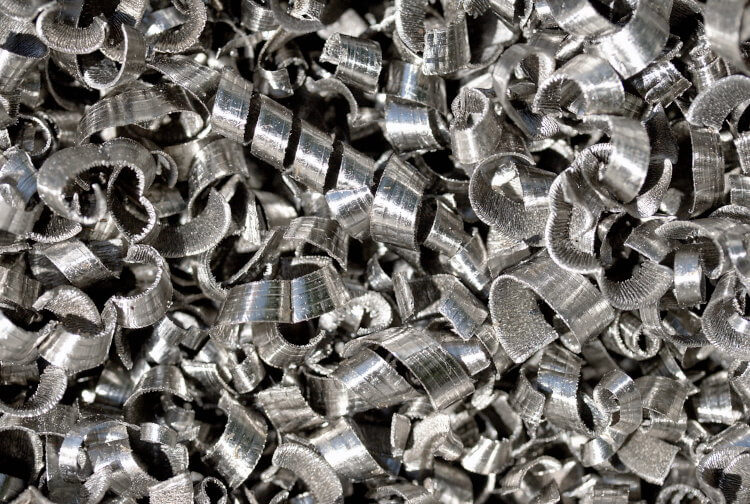
- Aluminium Turnings (Borings) Scrap: Consists of machining chips and shavings that may contain oil or cutting fluids. The material is sorted, de-oiled, dried and often baled or briquetted before melting.
- UBC (Used Beverage Can) Scrap: Consists of used aluminium beverage cans and is an important feedstock for aluminium recycling. Cans are normally cleaned, compacted and baled for transport and remelting.
Aluminium Scrap Grades and Specifications
The table below gives a general overview of the main scrap types. Exact composition, cleanliness and rates depend on the individual lot, so we recommend confirming your requirement before ordering or selling.
| Scrap Type | Typical Source | Typical Alloy / Feature | Common Use |
|---|---|---|---|
| Extrusion | Window and door profiles, sections | 6063 family, clean mill finish preferred | Billets, extrusion feed, remelting |
| Wire | Electrical conductors, cables | High purity, free of insulation | Conductor grade remelt, deoxidiser |
| Sheet | Roofing, cladding, plates, offcuts | Rolled alloys, uncoated preferred | Remelting, rolling feed |
| Cast | Engine parts, housings, machinery castings | Silicon-bearing cast alloys | ADC12, LM24 and other alloy ingots |
| Utensil | Household vessels, cookware | Mixed alloys | Foundry and remelting feed |
| Radiator | Vehicle and industrial radiators | Aluminium with copper or brass fittings removed | Secondary alloy production |
| Wheel | Vehicle alloy wheels | Consistent cast alloy | Foundry and die-casting feed |
| Turnings | Machining chips and borings | Oil content, alloy-wise sorting | Smelting and remelting |
| UBC | Used beverage cans | Thin sheet alloys | Rolling mills, remelting |
Aluminium Scrap Recycling Process
Recycling turns collected scrap into usable aluminium ingots and billets. For aluminium scrap recycling companies and dealers, the quality of every step affects the final yield. A typical process follows these steps.
- Collection and purchase: Scrap is bought from factories, workshops, contractors and collectors, and brought to the yard.
- Weighing and inspection: Each lot is weighed and checked for alloy type, contamination and moisture.
- Sorting and segregation: Scrap is separated by type and alloy family. Iron, plastic, rubber and other foreign material are removed.
- Cleaning and preparation: Oily or painted material is cleaned or de-coated where needed. Light scrap such as turnings and cans is baled or briquetted.
- Melting: The scrap is melted in a furnace under controlled temperature. Fluxes are used to lift oxides and impurities to the surface.
- Skimming and degassing: Aluminium dross is skimmed off and dissolved gases are reduced so that the cast metal is dense and sound.
- Composition adjustment and testing: Alloying elements are added until the melt matches the target grade, and samples are tested.
- Casting: The metal is poured into ingot or billet moulds and left to solidify.
- Finishing and dispatch: Ingots are cooled, cleaned, marked and prepared for delivery.
Benefits of Aluminium Scrap Recycling
Recycling aluminium makes sense for the environment, for industry and for the business that trades in it.
- Large energy saving: Making aluminium from scrap uses only a small fraction of the energy needed to produce primary aluminium from bauxite, which also cuts carbon emissions.
- Endless recyclability: Aluminium can be melted and used again and again without losing its basic properties.
- Lower raw material cost: Scrap-based metal is generally more economical than primary metal, which helps foundries and manufacturers keep costs down.
- Less waste to landfill: Recycling keeps metal in use and out of dumps, and reduces the need for mining.
- Steady supply: A well-organised scrap supply chain gives manufacturers a dependable source of raw material.
- Income for sellers: Factories, workshops and collectors earn value from material that would otherwise be thrown away.
Applications of Aluminium Scrap
Recycled aluminium goes back into almost every industrial sector. The main areas where scrap-based metal is used are given below.
- Automotive: Engine parts, cylinder heads, gearbox housings, wheels and brackets made from secondary alloy ingots.
- Construction: Window and door profiles, structural sections and cladding made from extrusion billets.
- Electrical industry: Conductors, busbars, cable and motor housings.
- Packaging: Cans, foil and food containers made from recycled sheet and can stock.
- Machinery and engineering: Pump bodies, tools, gearboxes and general castings.
- Consumer goods: Cookware, appliance parts, lighting and furniture components.
- Steel industry: Aluminium is also used as a deoxidiser in steelmaking.
Quality Checks and Sorting of Aluminium Scrap
In the scrap business, quality is decided at the point of sorting. A lot that is clean and correctly graded sells faster and for a better price, and it gives the melter a better yield. Every lot we handle goes through the following checks.
- Visual inspection: Scrap is checked for foreign material such as iron, rubber, plastic, soil and moisture.
- Alloy identification: Scrap is separated by type and alloy family so that mixed lots do not lower the value of clean material.
- Weighing: Material is weighed on calibrated scales and the weight is shared with the seller or buyer.
- Contamination control: Oil, paint, insulation and attachments are removed or accounted for in the grade and rate.
- Segregation and storage: Different grades are stored separately and kept dry so that quality is maintained until dispatch.
- Documentation: Lot details and weights are recorded so that every delivery can be traced.
Why Choose Us?
- Dealer, supplier and buyer in one: We buy and sell aluminium scrap, so you can use us whether you want to sell your scrap or source it.
- Wide range of scrap types: Extrusion, wire, sheet, cast, utensil, radiator, wheel, turnings and UBC scrap are available.
- Honest weighing and grading: Lots are weighed and graded openly, and the basis of every rate is explained.
- Fair, market-linked rates: Rates follow the market and the grade, with clear terms and no hidden charges.
- Bulk and regular supply: We take single lots and repeat monthly schedules.
- Timely logistics: We plan loading and dispatch so that material reaches you when you need it.
- Pan-India service: We serve buyers and sellers across India from our base in Pirangut, Pune.
- Many metals from one source: Along with aluminium scrap and aluminium ingot, we deal in MS scrap, copper scrap, brass scrap, zinc scrap, stainless steel scrap, battery scrap and SISA scrap.
Conclusion
Sudarshan Recycling is a trusted aluminium scrap dealer, supplier and buyer in India. With careful sorting, honest weighing, fair rates and dependable delivery, we help foundries, remelters and manufacturers get the aluminium scrap they need, and we help sellers get full value for theirs. Whether you want to sell a single lot or arrange a regular supply, contact us today to discuss your grade, quantity and location.
FAQs
1. What is aluminium scrap?
Aluminium scrap is discarded or surplus aluminium, from manufacturing offcuts or from products at the end of their life, that is collected so it can be melted and used again. It is sorted by type and alloy, then recycled into ingots, billets and other forms.
2. What are the different types of aluminium scrap?
The main types are extrusion, wire, sheet, cast, utensil, radiator, wheel, turnings and used beverage can (UBC) scrap. Each differs in alloy, cleanliness and use, so each is priced differently.
3. How is aluminium scrap priced in India?
The main factors are the global aluminium price, the exchange rate, the type and alloy of scrap, how clean and well sorted it is, the quantity and the delivery location. Rates change often, so the current price should be confirmed for your specific lot.
4. How is aluminium scrap recycled into ingots?
Scrap is collected, sorted, cleaned and melted in a furnace. Dross and gases are removed, the composition is adjusted and tested, and the metal is cast into ingot moulds. Common alloy ingots made this way include ADC12 and LM24.
5. Do you buy and sell aluminium scrap across India?
Yes. Sudarshan Recycling buys aluminium scrap from sellers and supplies it to buyers across India. Share your scrap type, quantity and location to discuss rates and dispatch.
6. How do I sell aluminium scrap to Sudarshan Recycling?
Contact us with the type of scrap, approximate quantity and location, along with photos if possible. We will confirm the grade and rate, arrange weighing and pickup or delivery, and process payment on the agreed terms.