

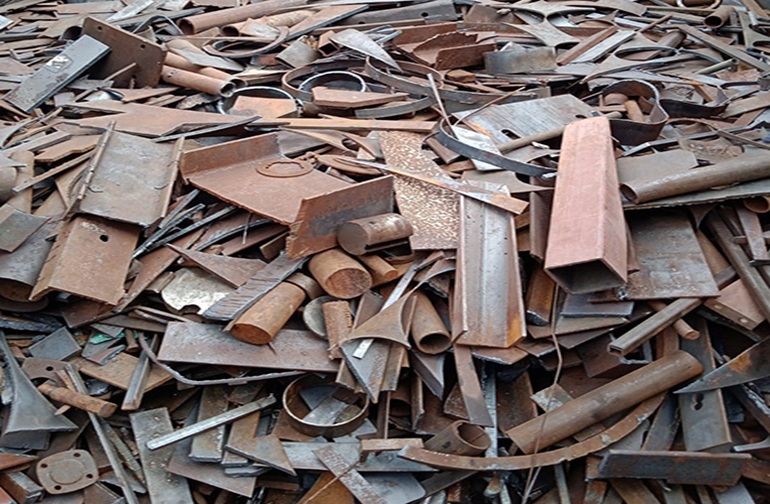
Top 10 MS Scrap Dealers in Maharashtra | Sudarshan Recycling
Sudarshan Recycling is a leading MS scrap dealers in Maharashtra, working as a trusted buyers and suppliers of mild steel scrap for steel mills, rolling mills, induction furnaces, foundries and re-melters. From our base in Pirangut, Pune, we buy MS scrap from factories, fabrication units, construction sites and contractors, sort it by type and grade, and supply clean, furnace-ready material to buyers across Maharashtra and beyond.
Steel scrap is one of the most widely recycled materials in the world. It can be melted again and again without losing its strength, and it saves a large amount of energy compared with making steel from iron ore. Whether you want to sell your MS metal scrap, buy in bulk, or set up a regular supply, our team can quote against your grade, quantity and delivery location.
What Is MS Scrap?
MS scrap, also called mild steel scrap, is discarded or surplus mild steel that is collected so it can be melted and made into new steel. Mild steel is a low-carbon steel. It is strong, easy to cut and weld, and used in almost every industry, which is why mild steel waste is generated in such large volumes.
MS scrap is a ferrous scrap, which means it is iron-based and magnetic. This makes it easy to separate from non-ferrous metals with a magnet and easy to recycle in a furnace. It comes from two main sources:
- New (process) scrap: Generated during manufacturing, such as cutting scrap, sheet and plate offcuts, turnings, trimmings and fabrication waste from factories and workshops.
- Old (obsolete) scrap: Comes from products and structures that have reached the end of their life, such as old machinery, structural sections, pipes, tanks, vehicles, and demolition or construction scrap.
The value of MS scrap depends on its thickness, cleanliness and how well it is sorted. Clean, dense, uncontaminated material gives a better melt yield and fetches a better rate than rusted, oily or mixed lots. That is why a good MS scrap dealer spends as much effort on sorting and grading as on buying and selling.
MS Scrap Dealers, Buyers and Suppliers in Maharashtra
Maharashtra is one of the leading industrial states in Maharashtra, and a big share of the steel made in the country comes from scrap. Induction furnaces, electric arc furnaces and re-rolling mills all depend on a steady supply of MS scrap. Construction, automobiles, engineering, infrastructure and manufacturing all create scrap, and the MS scrap market is active at every level, from small collectors to large wholesalers and MS scrap companies.
In this market, an MS scrap dealer is the link between those who generate scrap and those who need it. A dealer collects scrap from many sources, checks and sorts it, separates non-magnetic material such as stainless steel scrap (see our stainless steel scrap dealers in Maharashtra page), arranges weighing and transport, and supplies it to melters and mills in the quantity and quality they need. Traders and suppliers work the same way, buying where scrap is available and selling where demand is.
A professional MS scrap business offers a simple set of things: honest weighing, clear grading, fair rates linked to the market, prompt payment and dependable logistics. These are the standards we follow in every transaction.
Types of MS Scrap
MS scrap is available in many forms. The type, thickness and source decide how it is sorted, priced and used. The main types are given below.
- MS Heavy Melting Scrap (HMS): Thick, dense scrap such as plates, beams, old machinery and structural pieces, generally 6 mm and above. It is the most common furnace feed because it gives a high yield.
- MS Light Melting Scrap: Thinner material such as light sheets, pipes and small fabrication scrap. It is lighter and bulkier, so it is often baled or pressed before melting.
- MS Turning Scrap: Machining chips and shavings from lathes and CNC machines. It may contain oil and is usually sorted, dried and baled or briquetted before use.
- MS Cutting Scrap: Offcuts from gas cutting, plasma cutting and laser cutting of plates and sections. It is generally clean and in demand for melting.
- MS Sheet Scrap: Sheet metal offcuts and trimmings from press shops, panel makers and fabrication units.
- MS Plate Scrap: Heavy plate offcuts and cut-ends from shipyards, boiler makers and heavy engineering units. It usually falls into the heavy melting category.
- MS Pipe Scrap: Old pipes, tubes and conduits from plumbing, pipelines and industrial use. Coatings and fittings are removed where needed.
- MS Structural Scrap: Angles, channels, beams, columns and girders from demolished buildings, sheds and industrial structures.
- MS Fabrication and Factory Scrap: Mixed offcuts, rejected parts and trimmings from workshops and factories.
- MS Machinery and Engineering Scrap: Old machines, tools, gears, shafts and equipment that have reached the end of their working life.
- MS Construction Scrap: Reinforcement bars, binding wire, shuttering and sections recovered from building and infrastructure sites.
MS Scrap Grades and Specifications
The table below gives a general overview of the main grades and types of MS scrap. Exact thickness, cleanliness and rates depend on the individual lot, so we recommend confirming your requirement before ordering or selling.
| Scrap Type | Typical Source | Typical Feature | Common Use |
|---|---|---|---|
| HMS (Heavy Melting) | Plates, beams, old machinery, structures | Thick and dense, usually 6 mm and above | Induction and arc furnace feed |
| Light Melting | Thin sheets, light pipes, small fabrication scrap | Thin and bulky, often baled | Melting and re-rolling feed |
| Turnings | Lathe and CNC machining | Chips and shavings, may be oily | Briquetting and melting |
| Cutting Scrap | Gas, plasma and laser cutting | Clean offcuts | Melting and remelting |
| Sheet Scrap | Press shops, panels, fabrication | Thin gauge, clean preferred | Melting, baling |
| Plate Scrap | Shipyards, boiler and heavy engineering | Heavy section | Furnace feed |
| Pipe Scrap | Pipelines, plumbing, tubes | Hollow sections | Melting after cleaning |
| Structural Scrap | Beams, angles, channels, demolition | Large sections, cut to size | Furnace feed, re-rolling |
| Machinery Scrap | Old equipment and tools | Mixed mild steel and cast iron parts | Melting after sorting |
MS Scrap Recycling Process
Mild steel scrap recycling turns collected scrap into new steel. For anyone in the metal scrap recycling business, the quality of every step affects the final yield. A typical MS scrap processing flow looks like this.
- Collection and purchase: MS scrap is bought from factories, workshops, contractors and demolition sites and brought to the scrap yard.
- Weighing and inspection: Each lot is weighed and checked for thickness, rust, oil, moisture and contamination.
- Segregation and sorting: Scrap is separated by type and grade, such as HMS, light melting, turnings and cutting scrap. Non-ferrous metals, plastic, rubber and soil are removed.
- Cutting and sizing: Large pieces such as beams, plates and old machinery are cut with gas cutters into sizes that fit the furnace.
- Baling, shredding or briquetting: Light scrap, sheets and turnings are pressed into bales or briquettes so they melt more evenly and are easier to transport.
- Melting: The scrap is melted in an induction or electric arc furnace at controlled temperature. Fluxes lift impurities to the surface as slag.
- Refining and testing: The chemistry is adjusted to the target grade and samples are tested.
- Casting and rolling: The molten steel is cast into billets, ingots or slabs and then rolled into bars, sections, wires and sheets.
Benefits of MS Scrap Recycling
Steel scrap recycling makes sense for the environment, for industry and for the business that trades in it.
- Large energy saving: Making steel from scrap needs far less energy than making it from iron ore, which also cuts carbon emissions.
- Saves natural resources: Every tonne of scrap melted reduces the demand for mining iron ore, coal and limestone.
- Endless recyclability: Steel can be melted and reused many times without losing its basic strength.
- Lower raw material cost: Scrap-based steel is generally more economical, which helps mills and foundries keep costs under control.
- Less waste to landfill: Recycling keeps metal in use and out of dumps and reduces industrial and construction waste.
- Steady supply: A well-organised MS scrap supply chain gives steel makers a dependable source of raw material.
- Income for sellers: Factories, workshops and contractors earn real value from material that would otherwise be thrown away.
Applications of MS Scrap
Recycled mild steel goes back into almost every sector of the economy. The main areas where scrap-based steel is used are given below.
- Construction: TMT bars, rebars, angles, channels, beams and structural sections for buildings, bridges and roads.
- Infrastructure: Pipes, poles, towers, railings and fabrication for power, water and transport projects.
- Automotive: Brackets, chassis parts, frames and components made from recycled steel.
- Machinery and engineering: Machine bases, shafts, gears, tools, tanks and general engineering parts.
- Manufacturing and fabrication: Sheets, plates, tubes, wires and sections used by factories and workshops.
- Foundries: Scrap is used as a charge material for castings along with pig iron and other additions.
- Consumer and industrial goods: Furniture, appliances, storage racks, containers and fittings.
Quality Checks and Sorting of MS Scrap
In the scrap business, quality is decided at the point of sorting. A lot that is clean and correctly graded sells faster and for a better price, and it gives the melter a better yield. Every lot we handle goes through the following checks.
- Visual inspection: Scrap is checked for rust, paint, oil, soil, moisture and foreign material.
- Thickness and type check: Material is separated into heavy melting, light melting, turnings and cutting scrap so that mixed lots do not lower the value of clean material.
- Magnetic test: A magnet is used to confirm ferrous content and to separate non-ferrous metals such as copper and brass, which we also handle as copper scrap dealers in Maharashtra and brass scrap dealers in Maharashtra, from the mild steel.
- Weighing: Material is weighed on calibrated scales and the weight is shared openly with the seller or buyer.
- Contamination control: Oil, concrete, rubber, plastic and sealed containers are removed or accounted for in the grade and rate.
- Segregation and storage: Different grades are stored separately in the yard so that quality is maintained until dispatch.
- Documentation: Lot details and weights are recorded so that every delivery can be traced.
Why Choose Us?
- Dealer, supplier and buyer in one: We buy and sell MS scrap, so you can use us whether you want to sell your scrap or source it.
- Wide range of MS scrap: HMS, light melting, turning, cutting, sheet, plate, pipe, structural, fabrication and machinery scrap are available.
- Honest weighing and grading: Lots are weighed and graded openly, and the basis of every rate is explained.
- Fair, market-linked rates: Rates follow the market and the grade, with clear terms and no hidden charges.
- Bulk and regular supply: We take single lots and repeat monthly schedules for mills and furnace units.
- Timely logistics: We plan loading and dispatch so that material reaches you when you need it.
- Statewide service: We serve buyers and sellers across Maharashtra from our base in Pirangut, Pune.
- Many metals from one source: Along with MS scrap, we are also among the aluminium scrap dealers in Maharashtra and zinc scrap dealers in Maharashtra, and we deal in battery scrap, aluminium dross and other metal scrap.
Conclusion
Sudarshan Recycling is a trusted MS scrap dealers, suppliers and buyers in Maharashtra. With careful sorting, honest weighing, fair rates and dependable delivery, we help steel mills, foundries and manufacturers get the mild steel scrap they need, and we help sellers get full value for theirs. Whether you want to sell a single lot or arrange a regular supply, contact us today to discuss your grade, quantity and location.
FAQs
1. What is MS scrap?
MS scrap, or mild steel scrap, is discarded or surplus mild steel from manufacturing, fabrication, construction or old equipment that is collected so it can be melted and made into new steel. It is a ferrous, magnetic scrap and one of the most widely recycled metals.
2. What are the different types of MS scrap?
The main types are heavy melting scrap (HMS), light melting scrap, turning scrap, cutting scrap, sheet scrap, plate scrap, pipe scrap, structural scrap, fabrication scrap and machinery scrap. Each differs in thickness, cleanliness and use, so each is priced differently.
3. What is the difference between HMS scrap and light melting scrap?
Heavy melting scrap is thick and dense material, usually 6 mm and above, such as plates, beams and old machinery. Light melting scrap is thinner, such as light sheets and small pipes. HMS gives a higher melt yield, so it generally fetches a better rate.
4. How is MS scrap priced in Maharashtra?
The main factors are the steel and iron ore market, the type and thickness of scrap, how clean and well sorted it is, the quantity and the delivery location. Rates change often, so the current price should be confirmed for your specific lot.
5. How is MS scrap recycled?
Scrap is collected, sorted, cut to size and sometimes baled, then melted in an induction or electric arc furnace. The chemistry is adjusted and tested, and the steel is cast into billets or ingots and rolled into bars, sections and sheets.
6. Do you buy and sell MS scrap across Maharashtra?
Yes. Sudarshan Recycling buys MS scrap from sellers and supplies it to buyers across Maharashtra. Share your scrap type, quantity and location to discuss rates and dispatch.
7. How do I sell MS scrap to Sudarshan Recycling?
Contact us with the type of scrap, approximate quantity and location, along with photos if possible. We will confirm the grade and rate, arrange weighing and pickup or delivery, and process payment on the agreed terms.