

Top 10 Aluminium Ingot Manufacturers in India
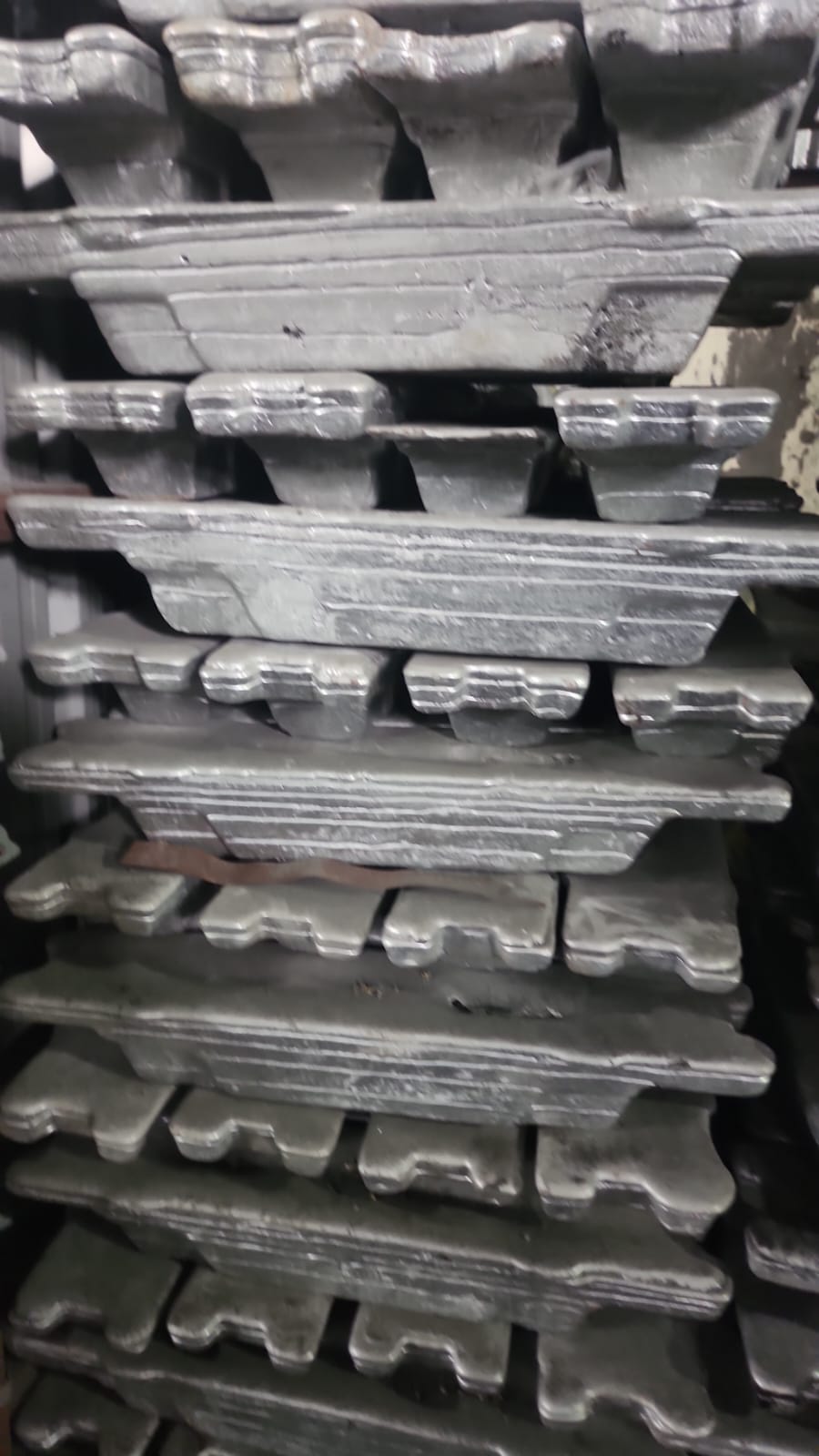
Sudarshan Recycling is a leading name among aluminium ingot manufacturers in India, dealers and buyers in India. We supply aluminium alloy ingots in popular grades such as ADC12 and LM24, cast to a consistent chemical composition so that foundries, die-casting units and extruders can melt them without surprises. Every lot is made for repeat, reliable use in production.
Aluminium ingots are solid blocks of aluminium produced by smelting or by remelting recycled metal, then casting it into standard moulds. They are the basic raw material behind automotive parts, building products, electrical components, packaging and general engineering goods. Light weight, strength, corrosion resistance and full recyclability keep demand for ingots strong in every industrial market.
What Is Aluminium Ingot?
An aluminium ingot is a cast block of aluminium or aluminium alloy, made in a shape that is easy to stack, weigh, transport and feed into a furnace. Manufacturers do not use pure aluminium for most jobs. Instead they buy ingots with a specific alloy chemistry, melt them, and cast the liquid metal into the final part.
Ingots come in two broad families. Primary ingots are made from aluminium smelted from bauxite and alumina, and they have very high purity. Secondary ingots are made by melting recycled aluminium scrap and adjusting its composition with alloying elements such as silicon, copper and magnesium. Most foundry and die-casting work in India runs on secondary alloy ingots because they are economical and can be made to a wide range of specifications.
The shape and weight of an ingot depend on the mould. Small ingots are easy to charge into crucible and reverberatory furnaces, while larger forms suit bulk handling. Uniform size makes stock counting and melt calculations simpler for the buyer.
Aluminium Ingot Manufacturers in India
India has a large base of foundries, die-casting shops, automotive component makers and extrusion plants, and all of them depend on a steady supply of ingots. A good ingot supplier does more than sell metal. It controls the chemistry of every batch, delivers on the schedule the plant needs, and helps the buyer choose the right grade for the job.
Sudarshan Recycling supplies aluminium alloy ingots to buyers across India from our base in Pirangut, Pune. We deal with foundries, pressure die-casters, gravity die-casters, sand casters and remelters, and we take both regular monthly requirements and one-time lots. Our range covers alloy ingots, remelt ingots and extrusion grade material, with ADC12 and LM24 as our most requested grades.
Manufacturing Process of Aluminium Ingots
Ingot quality depends on what goes into the furnace and how closely the melt is controlled. A typical secondary ingot process follows these steps.
- Selection of raw material: Clean aluminium scrap and recovered metal from aluminium dross are sorted by alloy family so that the starting composition is known.
- Melting: The charge is melted in a furnace under controlled temperature. Fluxes are used to lift oxides and impurities to the surface.
- Skimming and degassing: Dross is skimmed off the top, and dissolved gases are reduced so that the cast metal is dense and sound.
- Composition adjustment: Silicon, copper, magnesium and other elements are added until the melt matches the target grade, such as ADC12 or LM24.
- Chemical testing: A sample is taken from the melt and analysed. The batch is corrected until the composition falls inside the required range.
- Casting: The metal is poured into standard ingot moulds and left to solidify.
- Finishing, marking and packing: Ingots are cooled, cleaned, inspected, marked by grade and lot, bundled and secured for transport.
Types of Aluminium Ingot
Aluminium ingots are classified by purity, alloy content and the process they are meant for. As aluminium ingot manufacturers and dealers in India, we supply the following types.
- Primary Aluminium Ingot: Primary ingots are cast from aluminium produced directly by smelting. They have very high purity, generally 99.7% aluminium or better, with very low iron, silicon and other impurities. They are used where conductivity, formability or a clean base metal matters, such as electrical conductors, cables, foil stock and high-purity alloys.
- Secondary Aluminium Ingot: Secondary ingots are made by remelting recycled aluminium. Most are alloy ingots, so their composition includes silicon, copper and other elements that give the metal good castability and strength. They are the standard choice for die-casting and foundry work, and they use far less energy than primary metal.
- Aluminium Alloy Ingot: Alloy ingots combine aluminium with elements such as silicon, copper, magnesium, zinc and manganese to reach specific properties. Silicon improves flow in the mould, copper adds strength and hardness, and magnesium improves strength and corrosion resistance. Alloy ingots are used for engine parts, gearbox housings, pumps, tools and machinery.
- Remelt Ingot: Remelt ingots are general-purpose ingots made from standard grade or recycled aluminium, meant to be melted again and turned into other products. They are commonly used as feedstock for rolled products such as sheet and foil, and for general casting where a fixed alloy is not required.
- Extrusion Ingot: Extrusion ingots, often called billets, are cast in a round shape and carefully controlled for chemistry and structure. They are heated and pushed through a die to make long, continuous profiles such as window frames, door sections, pipes and structural shapes. They need a uniform grain structure and low defects, so they are held to tighter quality limits than general ingots.
- ADC12 Aluminium Ingot: ADC12 is a Japanese-standard die-casting alloy and is widely used in India. It is a silicon-copper alloy, with silicon typically around 9.6% to 12% and copper around 1.5% to 3.5%. It flows well into thin sections, fills complex moulds and gives a good surface finish. It is a common choice for pressure die-cast parts such as automotive housings, engine components, covers, brackets and electrical and appliance parts.
- LM24 Aluminium Ingot: LM24 is a British-standard die-casting alloy, with silicon typically around 7.5% to 9.5% and copper around 3.0% to 4.0%. It offers good strength, pressure tightness and casting behaviour, and it is used for die-cast components in automotive, engineering and general industrial products. Buyers often choose between LM24 and ADC12 based on the drawing, the process and the customer specification.
Technical Specifications of Aluminium Ingot
The table below gives an overview of the main ingot types. Exact composition depends on the grade and the customer specification, so we recommend confirming your requirement before ordering.
| Ingot Type | Origin / Process | Key Purity / Composition Feature | Typical Use |
|---|---|---|---|
| Primary | Direct smelting of alumina | 99.7% Al or higher, very low impurities | Electrical, cables, foil, high-purity alloys |
| Secondary | Remelting recycled aluminium | Alloy composition per grade, balance aluminium | Die-casting, foundry castings |
| Alloy (ADC12) | Melting and alloying | Silicon about 9.6% – 12%, copper about 1.5% – 3.5% | Pressure die-cast parts, housings |
| Alloy (LM24) | Melting and alloying | Silicon about 7.5% – 9.5%, copper about 3% – 4% | Die-cast automotive and engineering parts |
| Remelt | General-purpose feedstock | Standard commodity grade for remelting | Sheet, foil and general casting stock |
| Extrusion (Billet) | Round cast billet | Tight control of chemistry and structure | Profiles, frames, pipes |
Benefits of Aluminium Ingot
Aluminium is one of the most useful industrial metals, and ingots are the way it reaches the factory floor. As aluminium ingot dealers in India, we see these benefits matter most to our buyers.
- Light weight with good strength: Aluminium is about one third the weight of steel, and alloy ingots give parts with a strong strength-to-weight ratio. This lets manufacturers make lighter vehicles and equipment.
- Electrical and thermal conductivity: Aluminium carries heat and electricity well, so it is widely used for cables, heat sinks, heat exchangers and electronic enclosures.
- Corrosion resistance: A thin oxide layer forms naturally on the surface and protects the metal from rust and further attack.
- Excellent castability: Alloy ingots melt at a comparatively low temperature and fill moulds well, which saves energy and helps produce complex shapes.
- Endless recyclability: Aluminium can be melted and cast again and again without losing its basic properties. Recycled ingots need far less energy than making primary metal.
- Consistent quality: Standard grades and uniform ingot shapes make melt planning, stock handling and quality control simpler.
Applications of Aluminium Ingot
Aluminium ingots are used in almost every industrial sector. Here are the main areas where our buyers use them.
- Automotive: Engine blocks, cylinder heads, pistons, transmission housings, wheels and brackets.
- Construction: Window and door frames, structural sections, roofing and cladding, made from extrusion billets.
- Electrical industry: Conductors, busbars, cable, motor housings and switchgear parts.
- Packaging: Sheet and foil for cans, food containers and wrapping, made from remelt and rolling ingots.
- Machinery and engineering: Pump bodies, gearboxes, tools, fittings and general engineered castings.
- Consumer goods: Cookware, appliance parts, lighting and furniture components.
- Aerospace and transport: Structural parts and fittings where weight matters.
Quality Assurance and Testing
Quality is checked at the melt, not only at the end. Every batch is sampled and tested for chemical composition before casting, and the ingots are then inspected before they leave our yard.
- Chemical composition: Checked against the grade requirement, such as ADC12 or LM24, and corrected before the metal is poured.
- Weight consistency: Ingots are cast to a uniform size and weight so that stock counting and melt calculations are simple.
- Surface and cleanliness: Ingots are inspected for surface defects, slag and foreign material.
- Marking and traceability: Lots are marked so that each delivery can be traced to its batch.
Test reports can be shared on request so your incoming inspection team can verify the material against your specification.
Why Choose Us?
- Popular grades in stock: ADC12 and LM24 alloy ingots are available for casting and extrusion needs.
- Controlled chemistry: Composition is tested and corrected before casting, so lots are consistent from one delivery to the next.
- Bulk and regular supply: We take single lots and repeat monthly schedules.
- Timely logistics: We plan loading and dispatch so that the right tonnage reaches your factory when you need it.
- Fair pricing: Rates follow the market and the grade, with clear terms and no hidden charges.
- Wide range under one roof: Along with ingots, we supply zinc scrap and brass scrap, so you can source several metals from one supplier.
- Pan-India service: We supply buyers across India from our base in Pirangut, Pune.
Conclusion
Sudarshan Recycling is a trusted aluminium ingot manufacturers, dealers and buyers in India. With tested alloy grades, consistent quality and dependable delivery, we help foundries, die-casters and extruders keep their production running without delays. Never compromise on raw material. Contact us today to discuss your grade and quantity.
FAQs
1. What is an aluminium ingot?
An aluminium ingot is a cast block of aluminium or aluminium alloy, made in a standard shape that is easy to store, transport and melt. Manufacturers melt ingots and cast them into parts, or roll and extrude them into sheets, foils and profiles.
2. What is the difference between primary and secondary aluminium ingots?
Primary ingots are made from aluminium smelted from alumina, and they have very high purity, generally 99.7% or more. Secondary ingots are made by remelting recycled aluminium and adjusting the composition with alloying elements. Secondary alloy ingots are more economical and are commonly used for die-casting and foundry applications.
3. What is the difference between ADC12 and LM24 ingots?
Both are silicon-copper die-casting alloys. ADC12 has more silicon, typically 9.6% to 12%, and is known for good flow into thin and complex sections. LM24 has less silicon and more copper, typically 3% to 4% copper, and is known for strength and good casting behaviour. The right choice depends on the drawing, manufacturing process and required specification.
4. How do I choose the right aluminium ingot grade?
Start with the part and the manufacturing process. Pressure die-casting commonly uses ADC12 or LM24, while gravity and sand casting may require other casting alloys, and extrusion applications generally use billets. Strength, corrosion resistance, machinability and surface finish requirements should also be considered.
5. What affects the price of aluminium ingots?
The main factors affecting aluminium ingot prices include global aluminium prices, alloy grade and composition, order quantity, packaging and delivery location. Prices can change frequently, so the current rate should be confirmed based on the required grade and quantity.
6. Do you supply aluminium ingots across India?
Yes. Sudarshan Recycling supplies aluminium ingots to buyers across India. You can share your required grade, quantity and delivery location to discuss pricing and dispatch.