

Top 10 Battery Scrap Dealers in Maharashtra | Sudarshan Recycling
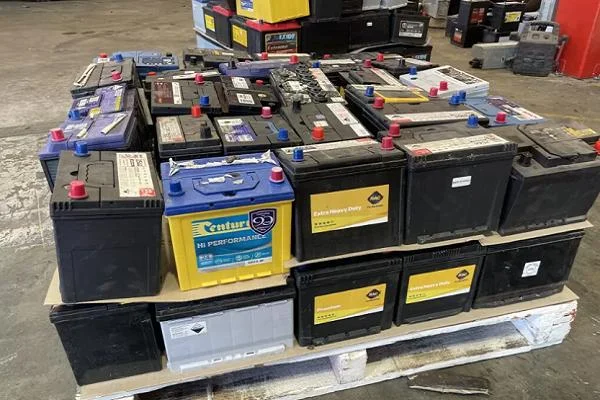
Sudarshan Recycling is a leading battery scrap dealers in Maharashtra, working as a trusted buyer and suppliers of used battery scrap for lead smelters, battery recyclers and metal recovery units. From our base in Pirangut, Pune, we buy scrap batteries from automobile workshops, battery dealers, industrial units, telecom and power installations, and collectors, sort them by type, and supply them to buyers who need a steady, well-graded flow of material.
Used batteries are valuable, but they are also hazardous if handled carelessly. Lead, acid and heavy metals can harm people and the environment, so proper battery waste management matters as much as the price. Whether you want to sell waste batteries, buy battery scrap in bulk, or arrange a regular collection, our team can quote against your battery type, quantity and location.
What Is Battery Scrap?
Battery scrap is any used, damaged, expired or surplus battery that can no longer be used for its original purpose and is collected so that its materials can be recovered. It is also called waste battery, scrap battery, used battery scrap or battery waste. Instead of being thrown away, these batteries are sent for recycling, where metals such as lead, nickel, copper and cobalt are taken out and used again.
Battery scrap comes from many places:
- Automotive: Car, truck, bus, two-wheeler and tractor batteries that have reached the end of their life.
- Inverter and home backup: Used inverter batteries from homes, shops and offices.
- Industrial and telecom: UPS batteries, tower batteries, forklift batteries and standby power batteries from factories, data rooms and telecom sites.
- Electronics and mobility: Lithium-ion packs from laptops, power tools, e-bikes and other devices.
The value of battery scrap depends on the battery chemistry, its weight, its condition and how well it is sorted. A lead acid battery scrap lot that is intact, uncracked and free of mixed material is worth more and is safer to handle than a mixed or leaking lot. This is why a good battery scrap company spends as much effort on sorting and safe handling as on buying and selling.
Battery Scrap Dealers, Buyers and Suppliers in Maharashtra
Maharashtra uses a huge number of batteries. Growth in vehicles, inverters, telecom networks, data centres, solar storage and electric mobility means that the battery recycling industry is active across the state. Because India depends on recycled material for a large part of its lead supply, used battery recycling is a steady and important part of the metal scrap market.
In this market, a battery scrap dealer is the link between those who generate used batteries and those who recycle them. A dealer collects scrap batteries from many sources, checks and sorts them by chemistry, arranges weighing, documentation and transport, and supplies them to authorised recyclers and smelters. Traders, suppliers and wholesalers work the same way, buying where scrap is available and selling where demand is.
Battery waste in Maharashtra, as in the rest of India, is also regulated. The Battery Waste Management Rules, 2022 bring in producer responsibility and require used batteries to be handled through authorised channels. For sellers and buyers, this makes proper weighing, records and responsible handling just as important as the rate. These are the standards we follow in every transaction.
Types of Battery Scrap
Battery scrap is available in several chemistries, and each is sorted, priced and recycled differently. The main types are given below.
- Lead Acid Battery Scrap: The most common type. It includes car, truck, inverter, UPS and industrial batteries. These contain lead plates, lead paste, sulphuric acid and a plastic casing. Lead is the main recoverable metal, which is why we are also among the SISA scrap dealers in Maharashtra, dealing in lead scrap.
- Automotive and Car Battery Scrap: Used batteries from cars, trucks, buses, tractors and two-wheelers. They are usually sold by weight.
- Inverter Battery Scrap: Tubular and flat plate batteries from homes, shops and offices, normally lead acid.
- UPS and Industrial Battery Scrap: Batteries from UPS systems, telecom towers, power plants, substations and forklifts. They are heavier and often supplied in larger lots.
- Lithium and Lithium-Ion Battery Scrap: Packs and cells from laptops, power tools, e-bikes and storage systems. They contain metals such as nickel, cobalt, manganese, copper and aluminium, but need extra care in storage and transport.
- Nickel Battery Scrap: Nickel cadmium and nickel metal hydride batteries from older tools, emergency lighting and equipment. Nickel is the main recoverable metal.
- Zinc-Carbon and Alkaline Battery Scrap: Small household cells that contain zinc and manganese, which links to our work as zinc scrap dealers in Maharashtra.
Battery Scrap Grades and Specifications
The table below gives a general overview of the main battery scrap types. Exact condition, weight and rates depend on the individual lot, so we recommend confirming your requirement before ordering or selling.
| Battery Type | Typical Source | Main Recoverable Materials | Handling Notes |
|---|---|---|---|
| Lead acid (automotive) | Cars, trucks, buses, two-wheelers | Lead, plastic | Keep upright, avoid cracked cases |
| Lead acid (inverter) | Homes, shops, offices | Lead, plastic | Store dry, away from heat |
| Lead acid (UPS / industrial) | Telecom, data rooms, plants, forklifts | Lead, plastic, copper | Heavy, needs proper loading |
| Lithium-ion | Laptops, tools, e-bikes, storage packs | Nickel, cobalt, copper, aluminium | Declare condition, avoid damaged packs |
| Nickel cadmium / nickel metal hydride | Older tools, emergency lights | Nickel, steel | Store separately from other types |
| Zinc-carbon / alkaline | Household cells | Zinc, manganese, steel | Keep dry, sort separately |
Battery Scrap Recycling Process
Battery recycling turns used batteries back into raw materials. For any battery recycling company or dealer, safe handling and correct sorting at each step decide the quality of the result. A typical battery scrap processing flow looks like this.
- Collection and purchase: Used batteries are collected from workshops, dealers, industrial units and collectors and brought to the yard.
- Weighing and inspection: Each lot is weighed and checked for battery type, damage, leakage and mixed material.
- Segregation and sorting: Batteries are separated by chemistry, such as lead acid, lithium-ion, nickel and zinc-carbon, so that the different types are never mixed.
- Safe storage: Batteries are stored upright and dry, away from heat, in a way that prevents leaks and short circuits.
- Dispatch to authorised recyclers: Sorted lots are sent to authorised recyclers and smelters with the required documentation.
- Breaking and dismantling: At the recycling plant, lead acid batteries are broken open and separated into lead plates and paste, plastic and acid. Lithium and nickel batteries are discharged and dismantled to separate metals. Casings made of steel and aluminium are sent for metal recycling.
- Smelting and refining: Lead material is melted, refined and cast into lead ingots. Other metals are recovered through the recycler's own processes.
- Reuse: Recovered lead goes back into new batteries and other products, and recovered plastic goes back into casings.
Benefits of Battery Scrap Recycling
Recycling used batteries makes sense for the environment, for industry and for the business that trades in them.
- Prevents pollution: Proper recycling keeps lead, acid, cadmium and other harmful materials out of soil, water and landfill.
- Recovers valuable metals: Lead, nickel, cobalt, copper and aluminium are taken out of used batteries and returned to industry.
- Saves natural resources: Every tonne of recycled metal reduces the need for mining and refining new ore.
- Saves energy: Making metal from recycled material generally uses less energy than making it from raw ore.
- Supports battery makers: Lead recycling gives battery manufacturers a steady supply of raw material, and recycled lead can be reused again and again.
- Meets legal requirements: Using authorised channels helps businesses follow the Battery Waste Management Rules.
- Income for sellers: Workshops, dealers and industrial units earn value from batteries that would otherwise sit unused.
Applications of Battery Scrap
Battery scrap does not go back into use as it is. It is recycled, and the recovered materials are used in many places. The main uses are given below.
- New batteries: Recovered lead is used to make new lead acid batteries for vehicles, inverters and industrial backup.
- Lead products and alloys: Refined lead is used in lead alloys, cable sheathing, weights and radiation shielding.
- Lithium-ion supply chain: Recovered nickel, cobalt, copper and aluminium go back into battery and electronics manufacturing.
- Steel and metal industry: Steel casings and containers are melted with ferrous material such as MS scrap (see our MS scrap dealers in Maharashtra page).
- Plastic products: Recovered polypropylene is reused in new battery cases and moulded plastic parts.
- Chemical industry: Neutralised acid and recovered compounds are used in industrial processes.
Quality Checks and Sorting of Battery Scrap
In the battery scrap business, safe handling and good sorting protect both the people involved and the value of the lot. Every lot we handle goes through the following checks.
- Visual inspection: Batteries are checked for cracks, leaks, swelling, corrosion and damage.
- Chemistry identification: Lead acid, lithium-ion, nickel and zinc-carbon batteries are separated so that mixed lots do not lower the value of clean material.
- Condition check: Damaged, leaking or swollen batteries are kept apart and handled with extra care.
- Weighing: Material is weighed on calibrated scales and the weight is shared openly with the seller or buyer.
- Segregation and storage: Batteries are stored by type, upright and dry, away from heat and moisture.
- Safe loading: Lots are loaded carefully to avoid leaks, short circuits and breakage during transport.
- Documentation: Lot details, weights and dispatch records are maintained so that every delivery can be traced.
Why Choose Us?
- Dealer, supplier and buyer in one: We buy and sell battery scrap, so you can use us whether you want to sell waste batteries or source them.
- Wide range of battery scrap: Automotive, inverter, UPS, industrial, lead acid, lithium-ion and nickel battery scrap are handled.
- Honest weighing and grading: Lots are weighed and graded openly, and the basis of every rate is explained.
- Fair, market-linked rates: Rates follow the market and the battery type, with clear terms and no hidden charges.
- Responsible handling: We follow safe storage, loading and documentation practices in line with applicable rules.
- Bulk and regular collection: We take single lots and repeat monthly schedules from workshops, dealers and industrial units.
- Statewide service: We serve buyers and sellers across Maharashtra from our base in Pirangut, Pune.
- Many metals from one source: Along with battery scrap, we are also among the copper scrap dealers in Maharashtra and brass scrap dealers in Maharashtra, and we deal in stainless steel scrap, aluminium dross and other metal scrap.
Conclusion
Sudarshan Recycling is a trusted battery scrap dealers, suppliers and buyers in Maharashtra. With careful sorting, honest weighing, fair rates and responsible handling, we help recyclers and smelters get the battery scrap they need, and we help sellers get full value for theirs. Whether you want to sell a single lot or arrange regular collection, contact us today to discuss your battery type, quantity and location.
FAQs
1. What is battery scrap?
Battery scrap is any used, damaged or expired battery that can no longer be used and is collected so its metals and materials can be recovered through recycling. It includes lead acid, lithium-ion, nickel and zinc-carbon batteries.
2. What types of battery scrap do you deal in?
We deal in lead acid battery scrap, including car, inverter, UPS and industrial batteries, along with other types such as lithium-ion and nickel batteries. Each type is sorted separately because the recycling method and value differ.
3. How is used battery scrap priced in Maharashtra?
The main factors are the battery type, weight, condition, the market price of lead and other metals, the quantity and the delivery location. Rates change often, so the current price should be confirmed for your specific lot.
4. How are lead acid batteries recycled?
At an authorised recycling plant, the battery is broken open and separated into lead plates and paste, plastic and acid. The lead is melted, refined and cast into ingots, and the plastic is reused. The acid is neutralised or processed under controlled conditions.
5. Can lithium-ion batteries be recycled?
Yes. Lithium-ion batteries are discharged, dismantled and processed to recover metals such as nickel, cobalt, copper and aluminium. Because damaged packs can be a fire risk, please tell us about their condition when you enquire.
6. Do you buy and sell battery scrap across Maharashtra?
Yes. Sudarshan Recycling buys battery scrap from sellers and supplies it to buyers across Maharashtra. Share your battery type, quantity and location to discuss rates and dispatch.
7. How do I sell used batteries to Sudarshan Recycling?
Contact us with the battery type, approximate quantity, condition and location, along with photos if possible. We will confirm the grade and rate, arrange weighing and pickup or delivery, and process payment on the agreed terms.